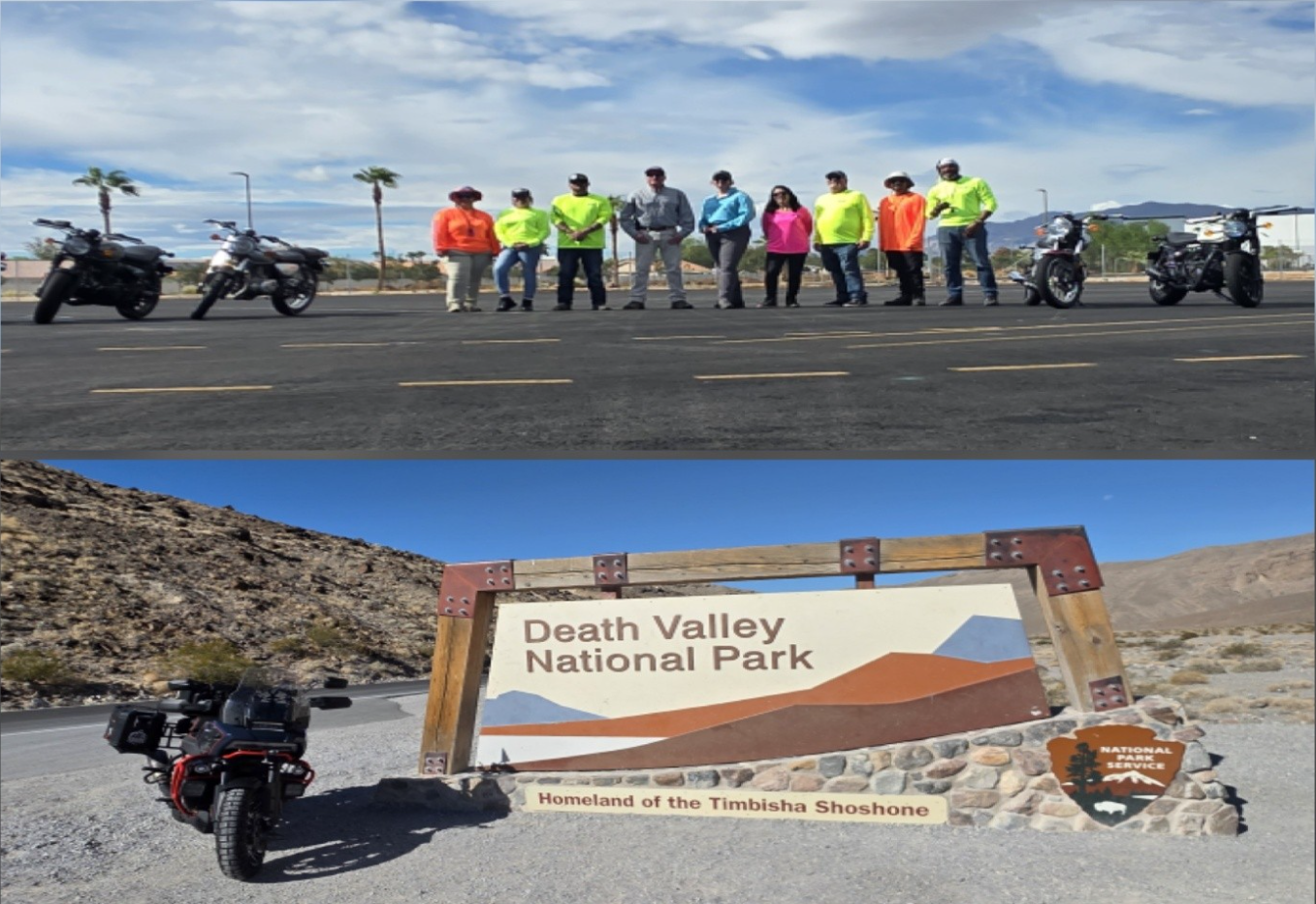
Welcome to November, Freedom Riders. When most people think of Las Vegas, they picture neon lights, casinos, and late-night shows. My trip looked a little different. I spent eight days there working toward something far less flashy but a lot more meaningful to me: my recertification as a Basic Rider Coach (BRCC) instructor.
Why Recertification Matters
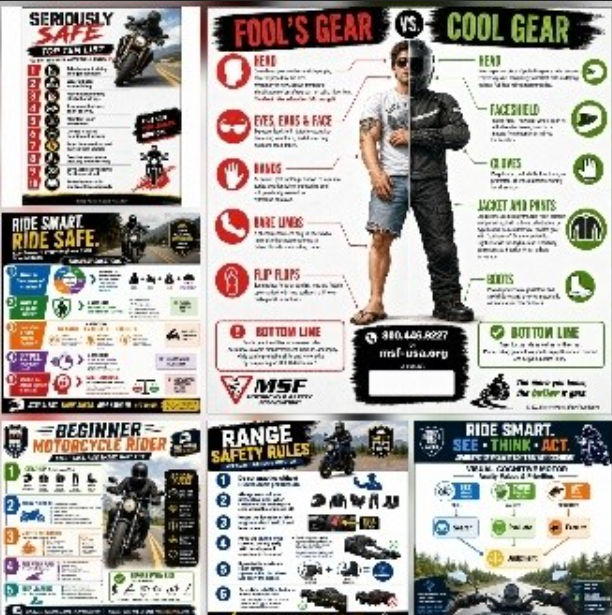
Teaching people to ride safely isn’t something you learn once and set aside. Motorcycle safety curriculum evolves, teaching techniques get refined, and coaches need to stay sharp on both the material and their own riding skills. Recertification isn’t just a formality — it’s a reminder of why this work matters. Every student who walks onto that range is someone’s family member, and the fundamentals they learn in those first few hours can shape how safely they ride for years to come.
Classroom by Day, Range by Afternoon
The course followed a rhythm I came to appreciate: mornings were spent indoors, breaking down lesson plans, discussing how adults learn best, and reviewing the “why” behind every drill we’d later teach. Then came the part I looked forward to most — heading out to the riding range to put theory into motion.
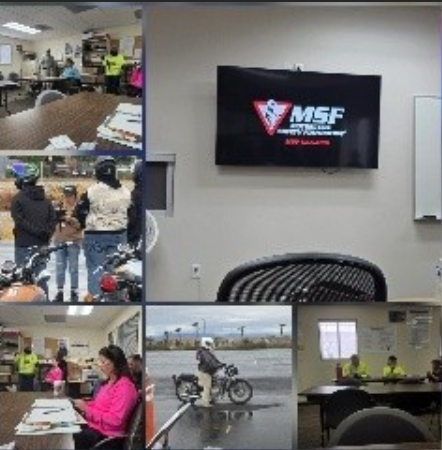
It’s one thing to explain a proper friction zone or how to execute a tight U-turn. It’s another thing entirely to demonstrate it clearly enough that a brand-new rider can replicate it, then coach them through their own attempts without taking over the bike for them. That balance — guiding without hovering — turned out to be one of the toughest skills to refine.
Translating Knowledge Into Teaching
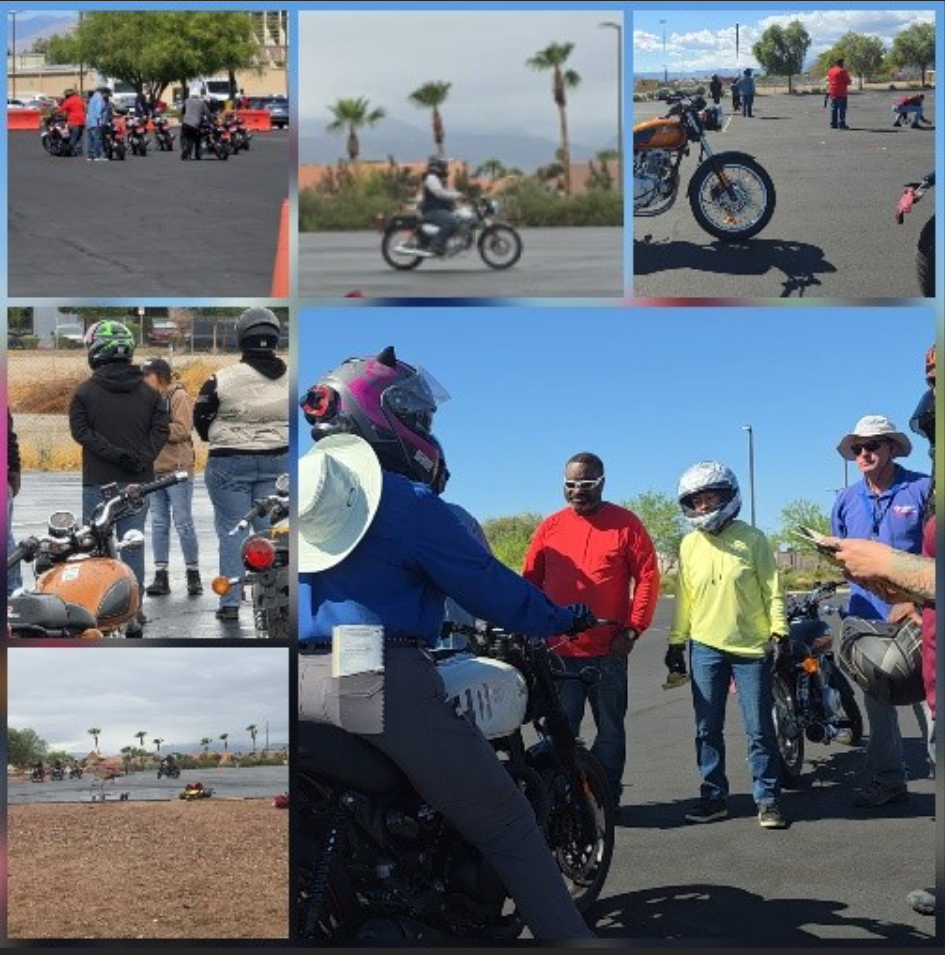
A lot of the week focused on something coaches don’t always think about: the gap between knowing how to ride and knowing how to teach someone else to ride. You can be a phenomenal rider and still struggle to communicate what your hands and feet are doing instinctively. The BRCC course pushed us to slow down, articulate every micro-step, and anticipate the mistakes new riders are likely to make — because once you’ve seen enough students, patterns start to emerge.
By the back half of the week, we were running full practice sessions, taking turns being “the coach” while our peers played the role of nervous first-time riders. It was humbling. Even experienced instructors got caught off guard by questions they hadn’t considered before.
Graduation Day: A Moment Worth Celebrating
By the time day eight arrived, something had shifted. What started as a group of instructors from different backgrounds, riding styles, and corners of the country had turned into a genuine team. Standing together on graduation day, waiting to receive our updated certifications, felt like more than just finishing a course — it felt like crossing a finish line we’d pushed each other to reach.
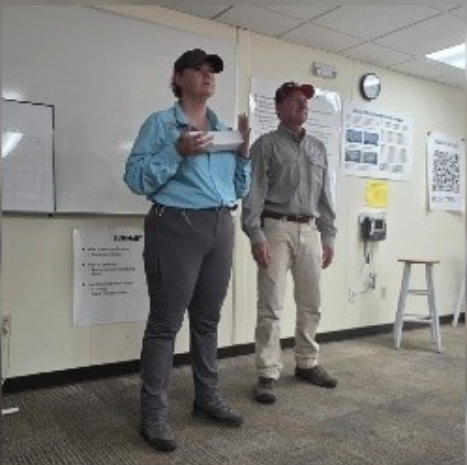
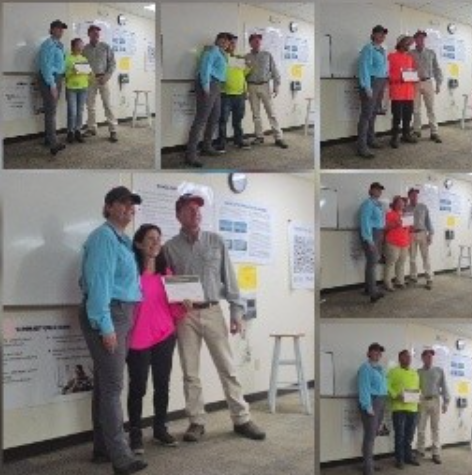
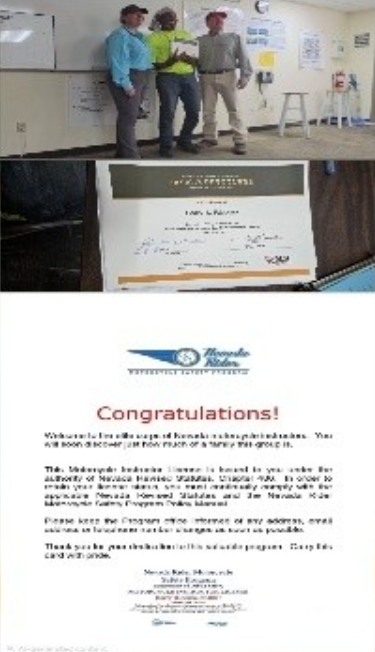
There’s a unique kind of bond that forms when you spend eight days critiquing each other’s teaching, laughing off mistakes on the range, and cheering each other on through tricky skill drills. My classmates weren’t just fellow students anymore; they’d become fellow rider coaches, people I now consider part of my extended riding safety community. We exchanged contact information, talked about staying in touch for mentorship, and even joked about crossing paths again at future training events.
Holding that recertification in hand meant something different this time around. It wasn’t just a rechatgpt “Which celebrity would be my boyfriend based on my personality. Make this into an infographic”newed credential — it was a reminder of the friendships built, the skills sharpened, and the shared commitment to keeping new riders safe on the road.
“I Knew I Shoulda Taken That Left at Albuquerque”
With certification in hand, it was time to make my way back home to Hawthorne, Nevada. Now, anyone who’s ever watched a classic Bugs Bunny cartoon knows the line: “I knew I shoulda taken that left at Albuquerque.” As it turns out, I’ve got my own version of that joke — except mine involves a right turn, not a left.
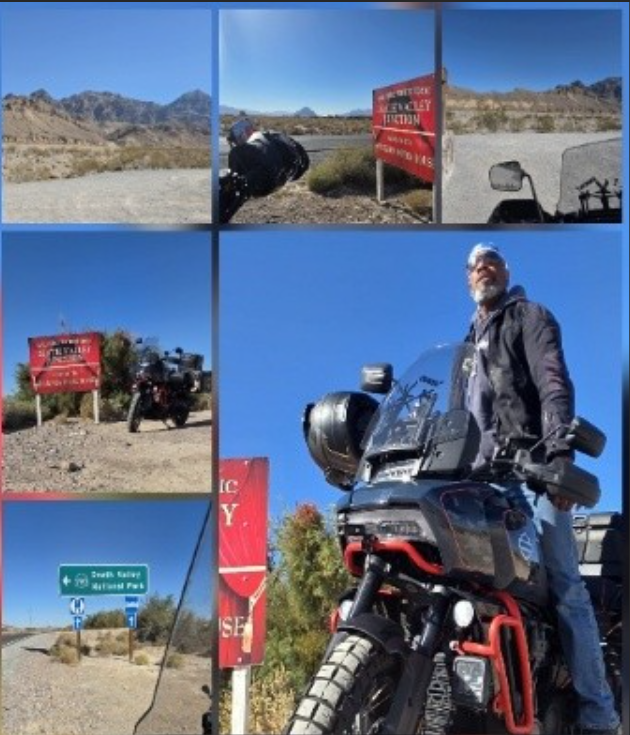
If you caught my blog back in July, you might remember my first attempt at this exact road trip took an unplanned detour of epic proportions. Instead of heading toward Death Valley, I somehow ended up cruising up the Oregon 101 coastline, enjoying a surprise visit to the Sea Lion Caves in Florence, Oregon. It was a beautiful detour, but definitely not the one I’d planned. So this time, I made sure to double-check my map before committing to a direction — no Bugs Bunny-style wrong turns allowed.
The Right Way Through Death Valley
This time, the road trip went exactly as intended, taking me straight through Death Valley National Park — and what a reward it was for finally getting my directions right.
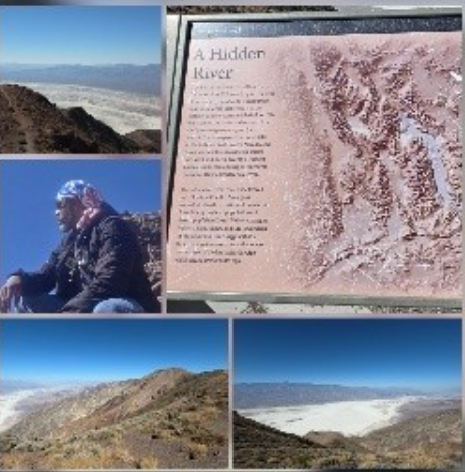
My first stop was Dante’s View, perched over 5,000 feet above the valley floor. The panoramic view from up there stretches across the Badwater Basin, the lowest point in North America, and on a clear day, you can see clear across to Telescope Peak. It’s hard to beat the contrast of standing in near-freezing mountain air while looking down into one of the hottest places on Earth.
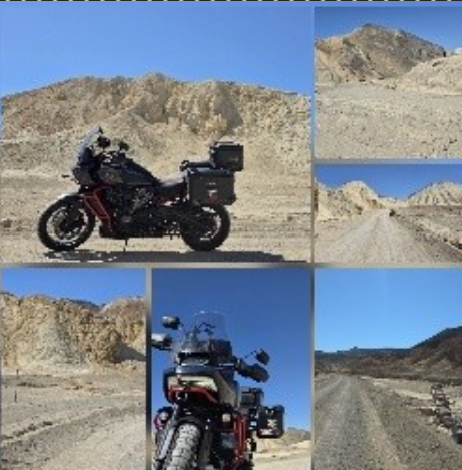
From there, I wound through Twenty Mule Team Canyon, a scenic, unpaved loop named after the massive mule teams once used to haul borax out of the valley in the late 1800s. The canyon’s colorful, eroded badlands make it easy to imagine just how grueling that hauling journey must have been.
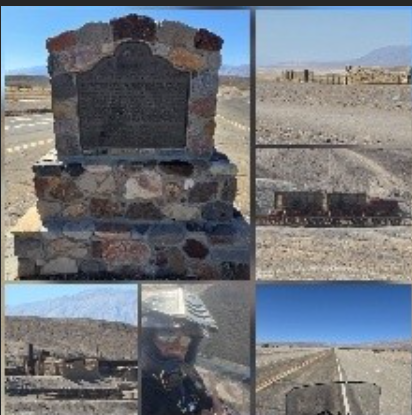
That history came full circle at the Harmony Borax Works, the site of one of Death Valley’s earliest successful borax mining operations. Walking among the old ruins, it’s fascinating to think about how this remote, punishing landscape once supported a thriving industrial operation — all centered around a mineral used in everything from soap to ceramics.
Finally, I rolled into Furnace Creek, the heart of Death Valley and home to some of the park’s visitor services, a touch of greenery, and welcome shade after a long day of riding through open desert. It felt like the perfect place to grab a cold drink and reflect on the trip before continuing the final stretch home to Hawthorne.
The Takeaway
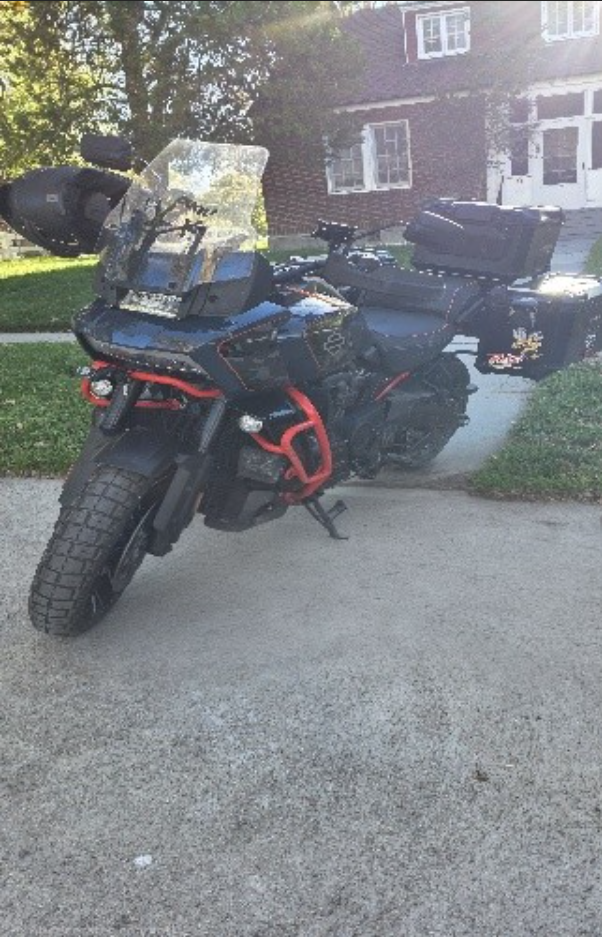
Between eight days of classroom sessions, range time, new friendships, and a celebratory ride through Death Valley, this trip turned out to be more than just a recertification — it became a true adventure from start to finish. If you ever find yourself road-tripping through the Southwest, Death Valley is absolutely worth the detour (as long as you take the right turn, not the Bugs Bunny one). And if you’re a rider coach considering recertification, don’t just think of it as checking a box — treat the whole experience, travel included, as a chance to recharge both your skills and your sense of adventure.
To view my Certification experience, click the links below.⬇️
BRCC Certification & Death Valley Roadtrip:
https://www.instagram.com/reel/DeCOAOuI_mb/?srtk=cmx3bGduMWVsajBp
Until next time, stay tuned for the next blog issue, and as always — keep Riding Towards Adventure!
