
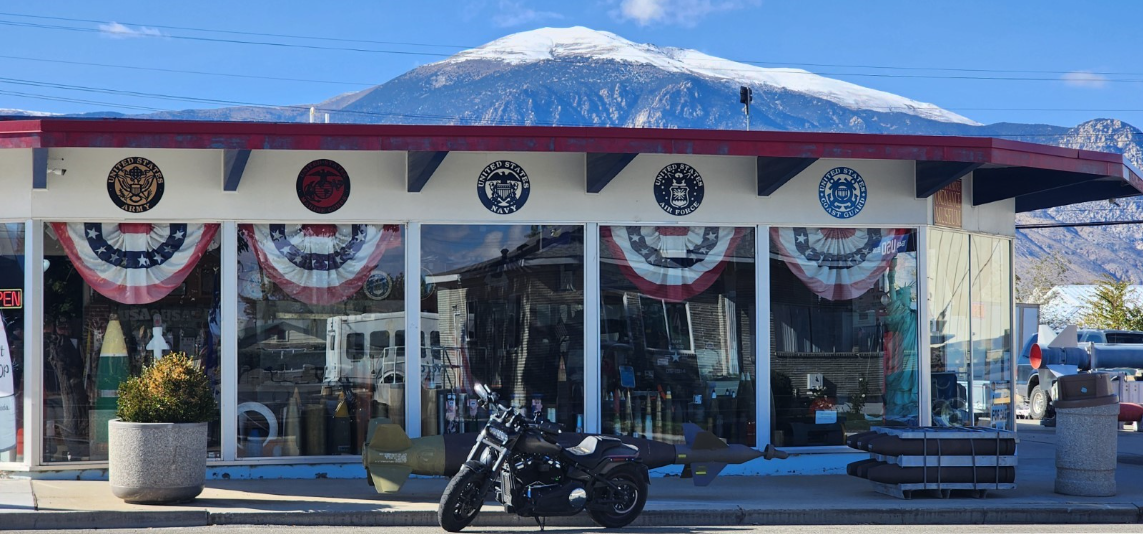
It’s December!! With that it is time to celebrate Christmas by bringing cheer to loved ones as some prepare to travel. As someone who travels extensively, I often find myself exploring the corners of the globe, captivated by diverse cultures and untold stories. However, there’s an undeniable sense of refreshment and wonder that comes from uncovering the rich history right in my own backyard. It’s a reminder that some of the most profound narratives and experiences can be found just a short drive away.
This month, I invite you to join me as we delve into a local gem—the Hawthorne Military Museum in Nevada. An institution that not only honors our military past but also connects us to the sacrifices and triumphs that have shaped our nation. Let’s explore its significance and the stories it holds within its walls.
Nestled in the heart of Hawthorne, Nevada, the Hawthorne military museum stands as a testament to the rich military history of the United States. Established in 2000, the museum serves not only as an educational resource but also as a tribute to the sacrifices made by the men and women in uniform.
The origins of the Hawthorne military museum trace back to the early 20th century when the town of Hawthorne was established as a central location for the U.S. army’s ammunition storage and distribution. The area gained strategic importance during both world wars and the cold war, leading to the construction of the Hawthorne army depot, one of the largest military depots in the country.
In the late 1990s, local veterans and community members recognized the need to preserve and showcase this rich history. Their efforts culminated in the establishment of the museum, which opened its doors to the public on Memorial Day 2000, aiming to honor the contributions of the military and educate future generations about their legacy.
Hawthorne Ammunition Depot Timeline
1926 – Explosion at Lake Denmark Naval Ammunition Depot, in New Jersey
July 1928 – Groundbreaking at Naval Ammunition Depot (NAD) Hawthorne
September 1930 – NAD commissioned
October 19, 1930 – NAD receives First shipment of explosives beginning operations as a Storage Facility with 72 Military Personnel and 90 Civilian Employees
1941 – When the US entered WWII, the depot became the staging area for bombs, rockets, and ammunition for almost the entire war effort.
Note: From 1930 to 1976, Security was provided by 600 Marines. In 1977, that number was reduced to 117 Marines. Presently, Security is provide by private contractors.
1977- The Depot was transferred to the U.S. Army and became the Hawthorne Army Ammunition Plant (HWAAP) which operated as a Government Owned, Government Operated (GOGO) facility.
1978 – Production of cast loading for bombs stopped.
1980 – Depot operations were transferred to Day Zimmerman Hawthorne Corporation (DZHC) transitioning the facility from Government Owned, Government Operated (GOGO) to Government Owned, Contract Operated (GOCO).
1980 – The construction of the Western Area Demilitarization Facility (WADF) completed. Operation consisted of the recycling and reclamation of metal parts and explosives.
1994 to Present – Renamed Hawthorne Army Depot (HWAD). The mission transforms from ammunition production to Storage, Renovation, Demilitarization, Disposal of outdated and unserviceable ammunition.
Note: Know as the “World’s Largest Ammunition Depot” covering 250 Square miles (238,000 acre); 2,000 buildings & 1,500 storage magazines providing 2 million square feet of space; 200 miles of Railroad tracks.
Exhibits and Attractions
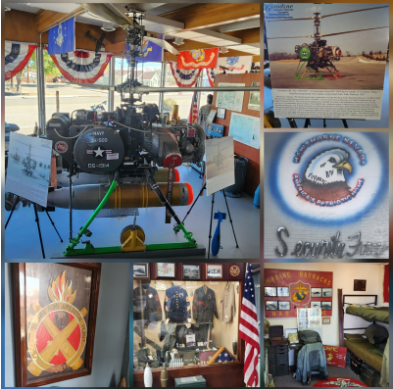
The Hawthorne military museum features an extensive collection of artifacts, photographs, and memorabilia from various military conflicts, including world war i, world war ii, Korea, Vietnam, and the gulf wars. Visitors can explore displays showcasing uniforms, weapons, and personal stories of soldiers, providing a personal connection to the history of the military.
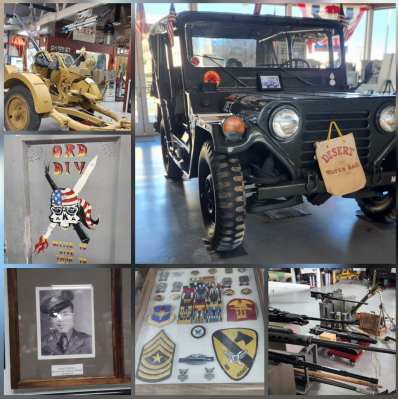

One of the highlights of the museum is its outdoor exhibit, where various military vehicles are displayed, offering a tangible glimpse into the equipment used in different conflicts. The museum also hosts events, lectures, and commemorative ceremonies throughout the year, fostering a sense of community and remembrance
Community involvement and impact

The museum is not just an archive of military history; it actively engages the community. Local schools often visit the museum for educational programs, ensuring that the younger generation understands the significance of military service. The museum’s commitment to preserving history and honoring veterans makes it a vital part of the Hawthorne community
In conclusion, the Hawthorne military museum is more than a collection of artifacts; it is a beacon of history that honors the sacrifices and stories of those who served. As it continues to educate and inspire, the museum stands as a reminder of the legacy of courage and resilience that defines the American military experience. Visitors to Hawthorne are encouraged to explore this remarkable repository of history and gain a deeper appreciation for the men and women who have served their country.